
When a building system fails, the question is rarely just what broke — it is why it broke, who is responsible, and what it will take to make the building whole again. Answering those questions takes more than an inspection. It takes forensic engineering.
LaRovere Consulting, LLC provides forensic and Mechanical, Electrical, and Plumbing (MEP) engineering services for owners, attorneys, insurers, and contractors who need a defensible answer to a difficult question. Our work supports construction defect claims, insurance investigations, code disputes, and litigation across commercial, industrial, institutional, and multifamily building types.
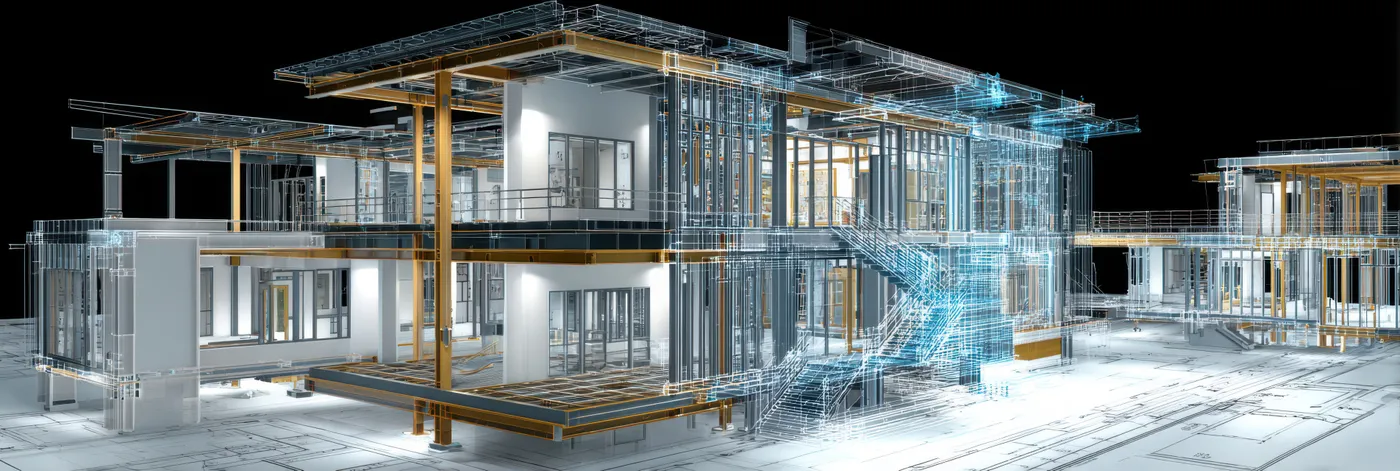
What Forensic Engineering Is — and What It Is Not
A standard inspection identifies symptoms. A forensic engineering evaluation identifies the root cause and the responsible failure mechanism, supported by calculations, field data, laboratory results, and code analysis that hold up under cross-examination.
That distinction matters when the outcome of a project, claim, or case depends on accuracy. Our evaluations are field-tested — developed through direct on-site work rather than desktop assumptions alone.
Our Methodology: Field Investigation, Testing, and Analysis
Every matter is different, but a forensic MEP investigation typically draws from the same toolkit:
- On-site investigation to document existing conditions, installation quality, and observable defects.
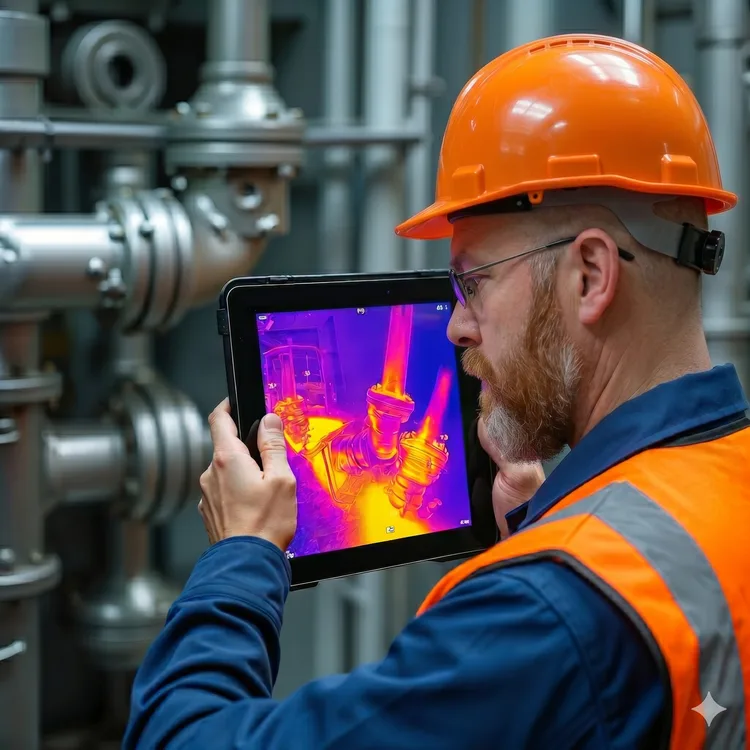
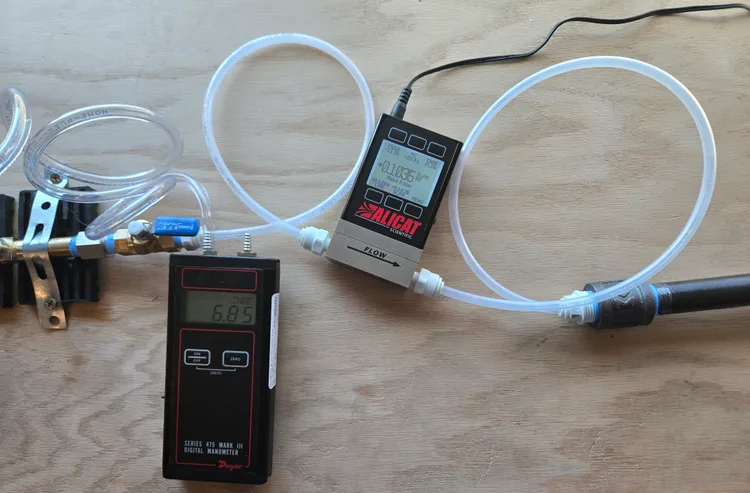
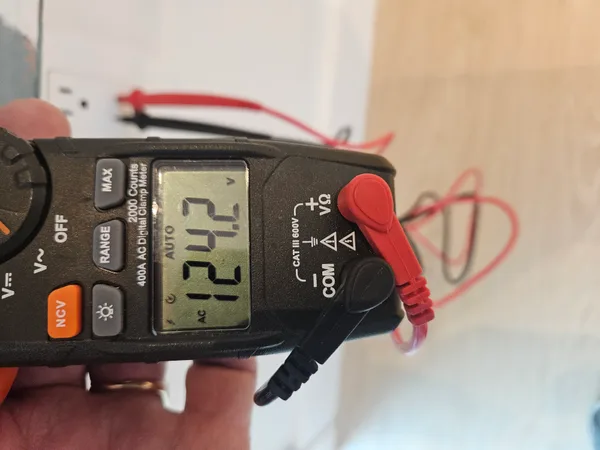
- Functional testing and data collection using specialized instruments and methods, including thermal imaging, pressure and flow measurement, electrical diagnostics, combustion analysis, and indoor environmental monitoring.
- Laboratory destructive testing, non-destructive testing, and mockup testing when physical evidence requires deeper analysis or when failure conditions must be reproduced under controlled conditions.
- Load calculations to verify whether systems were designed and installed to meet the building's actual demand.
- Code compliance reviews against the mechanical, plumbing, electrical, and energy codes in effect at the time of construction.
- Technical analysis and reporting that ties evidence to conclusions in a format suitable for negotiation, mediation, arbitration, or trial.
Systems We Investigate
LaRovere Consulting focuses on the building systems most often at the center of failures and disputes:
- Heating, Ventilation, and Air Conditioning (HVAC) — design adequacy, installation defects, performance shortfalls, comfort complaints, and indoor air quality.
- Energy efficiency — code compliance, energy modeling assumptions, commissioning failures, and operating cost disputes.
- Plumbing systems — water supply, drainage, water heating, leaks, and fixture-related failures.
- Electrical infrastructure — capacity, distribution, equipment performance, and code-related deficiencies.
Code Compliance Reviews and Standard of Care
Building codes exist to protect occupants and ensure systems perform as intended. When a system does not meet the code in effect at the time of construction — or fails to meet the standard of care for the design and trades involved — the consequences include liability exposure, safety risk, and chronic performance problems.
Code compliance reviews are a core part of every LaRovere Consulting engagement. We identify gaps, document them clearly, and explain what is needed to bring the system into compliance or to support the position of the party we represent.
Expert Witness and Litigation Support
Many of our engagements produce written reports, deposition testimony, or trial testimony. LaRovere Consulting delivers work product that is technically defensible, plainly written, and structured for use by counsel and triers of fact.
Experience That Holds Up Under Scrutiny
Engineering judgment develops through direct involvement in complex projects. LaRovere Consulting brings 39+ years of hands-on MEP and forensic engineering experience to every engagement, including licensed Professional Engineer (PE) registrations in Arizona and additional jurisdictions, and credentials including Certified Energy Manager (CEM) and Master of Science in Mechanical Engineering (MSME).
Frequently Asked Questions
What is a forensic engineering evaluation?
A structured investigation into why a building system failed, performed using calculations, testing, code analysis, and field documentation. It is used to support insurance claims, construction defect cases, and litigation.
When should I hire a forensic engineer?
When a building system has failed, is underperforming, or is the subject of a dispute that requires technical evidence the opposing party, insurer, or court will scrutinize.
What is the difference between an inspection and a forensic evaluation?
An inspection identifies what is visible. A forensic evaluation determines why the failure occurred, who or what is responsible, and what remediation is required — supported by calculations, testing, and code analysis.
Do you provide expert witness testimony?
Yes. LaRovere Consulting supports cases through report writing, deposition, and trial testimony.