
A new building is one of the largest investments most organizations will ever make, and most owners go into it without anyone on their side of the table whose only job is to protect that investment. That is the gap an owner's representative fills, and it is the gap LaRovere Consulting fills for building owners from our base in Cave Creek, Arizona, and on projects nationwide.
Think about who is involved in a typical project. The architect is responsible for the design. The general contractor is responsible for building it. Subcontractors are responsible for their own scopes of work. Each of them is a professional, and each of them has their own contract, their own business to run, and their own priorities. None of them is hired to look at the whole project through your eyes, every day, from the first shovel in the ground to the day you open your doors.
An owner's representative is a construction professional hired by, and working only for, the building owner. The owner's rep manages the project's schedule, budget, quality, and contractor coordination from design through move-in, so the owner has an experienced advocate making sure what gets built matches what was promised.
An owner's representative, or owner's rep, does exactly that. They work for you and only you. They manage the day-to-day details of construction, watch the schedule and the budget, and help make sure that what gets built is what you were promised.
If you are planning a new facility, an expansion, or a major renovation, here are five reasons an owner's rep belongs on your team.
1. No In-House Construction Team? An Owner's Rep Fills the Gap
Unless construction is your business, or your organization is continually building new facilities, the odds are good that you do not have an internal construction oversight team. Why would you? Your people were hired to run a school, a medical practice, a manufacturing operation, a church, a nonprofit, or a company. They are good at what they do, and what they do is not managing a construction project.
That leaves you with two options when a project comes along. You can pull internal resources away from their core responsibilities, or you can hire someone to handle it.
The first option is the one many owners fall into by default. A facilities director, an operations manager, or a CFO gets handed the project on top of an already full job. It rarely goes well. Construction generates a steady stream of meetings, documents, questions, and decisions, and each one needs an informed answer on a deadline. The person you assigned ends up doing two jobs poorly instead of one job well, and the work they were hired to do suffers at exactly the moment your organization is stretching to grow.
The second option raises its own question: should you hire a full-time employee? In most cases, it doesn't make sense to add on-staff headcount. A construction project has a beginning and an end. Recruiting, hiring, and carrying a salaried construction manager for a single building means paying for a permanent position to solve a temporary need, and then deciding what to do with that position when the ribbon is cut.
Here is the real issue. You have a vision of what your new building will look like and how it will perform. You know how your staff will move through it, how your customers or community will experience it, and what it needs to do for your organization for decades to come. What you don't have is the internal resources to carry that vision through construction.
Hiring an experienced external resource closes that gap. So what does an owner's rep do? An owner's rep understands how to manage all the day-to-day details of your project, and brings that capability for exactly as long as you need it. Your team stays focused on your core business. You stay informed and in control of the decisions that matter, without having to become a construction expert yourself. And you move forward with an experienced advocate working to turn your vision into reality.
2. Architect Construction Administration vs. Owner's Rep Oversight
Many architectural contracts specify that your architect will perform construction “administration” of the project during construction. It sounds reassuring, and some owners expect construction administration to take the place of owner's rep services. That's a mistake.
This is not a criticism of architects. It is simply a matter of what the service is and what it is not. Construction administration does not typically obligate your architect to be on the job site every few days. Under the standard AIA B101-2017 Owner–Architect Agreement, the architect visits the site “at intervals appropriate to the stage of construction,” and the agreement states that the architect is not required to make “exhaustive or continuous on-site inspections.” (See AIA's guidance on the architect's field report, which restates this limit.) Your own contract may modify these terms, so read it closely. But under the standard form, the architect's visits are periodic, their focus is on whether the work generally conforms to the design, and their time on site is limited by the terms of their agreement.
Compare that with what your project actually needs while it is being built:
- Someone checking the quality and progress of the work on a regular basis
- Someone observing construction activities before they get covered up
- Someone looking for issues before they become problems
- Someone managing submittals so materials and equipment are approved and ordered on time
- Someone making sure all contractor requests for information (RFIs) get a response
- Someone keeping the project timeline on track
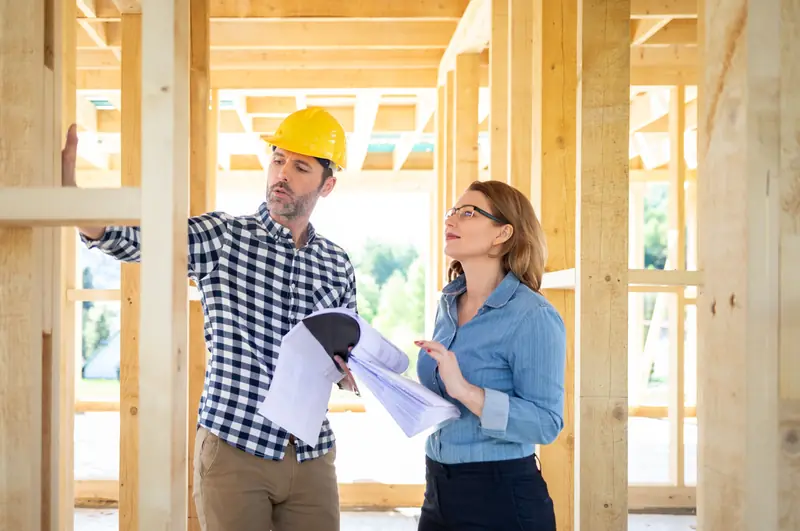
The second item on that list deserves a closer look. Much of what determines how a building performs ends up hidden. Plumbing, wiring, ductwork, insulation, waterproofing, and structural connections all disappear behind drywall, above ceilings, or under concrete. Once they are covered, nobody sees them again until something goes wrong. The only time to confirm that work was done correctly is while it is still visible, and that window can be very short.
A lot can happen on a job site in a few days. Walls go up. Slabs get poured. Trades finish their work and move on to the next job. If the only person watching on your behalf visits occasionally, a great deal of work will be completed, and concealed, between visits.
An owner's rep will be there walking the site and managing the process. They work alongside your architect, not in place of them, getting questions to the design team quickly and making sure the answers get back to the field. The architect protects the design. The owner's rep protects you. With both in place, problems are far more likely to be caught while they are still small and inexpensive to fix.
| Responsibility | Architect (Construction Administration) | Owner's Rep |
|---|---|---|
| Who they work for | Engaged by the owner; responsible for the design | Hired by and works only for the owner |
| How often on site | “At intervals appropriate to the stage of construction”; not required to make “exhaustive or continuous on-site inspections” (AIA B101-2017, unless modified) | Regularly, walking the site and observing work before it is covered up |
| Primary focus | Whether the work generally conforms to the design | The whole project through the owner's eyes: schedule, budget, quality, and coordination |
| Payment application review | Certifies the contractor's payment applications on AIA-form contracts | Reviews each application against observed site progress, alongside the architect's certification |
| RFI and submittal tracking | Responds to design questions routed to the design team | Tracks RFIs and submittals so responses come back and materials are ordered on time |
| Schedule management | Not the focus of construction administration | Watches the timeline and pushes decisions forward to keep it on track |
3. Current Construction Cost, Code, and Schedule Expertise
Construction is a constantly changing industry. Unless you're in the business of construction on a daily basis, it's impossible to keep up with fluctuations in the labor and materials market, innovations in means and methods, new regulations and code requirements, and all the other details that shift from one year to the next.
Even owners who have built before run into this. The project you completed several years ago was priced in a different market, built under a different edition of the code, and staffed from a different labor pool. Experience from that project is valuable, but it is not current. What a material cost then, how long it took to arrive, and which trades were readily available may bear little resemblance to what you will face today.
That matters because you will be asked to make decisions that depend on current knowledge. Is this bid reasonable? Is that schedule realistic? Is the proposed substitution a fair trade or a downgrade? Is this change order priced appropriately? Without up-to-date expertise, you are left to take someone else's word for it, and that someone usually has a financial interest in the answer.
A good owner's rep provides that expertise and uses it to keep a finger on the pulse of the project. Specifically, they will:
- Recognize when costs or timelines are off. A number that is too high costs you money. A number that is too low is just as much a warning sign, because it often means something was missed, and it tends to come back later as a change order or a delay.
- Oversee appropriate draw schedules. Payments to the contractor should track the work actually completed and the materials actually in place. On AIA-form contracts, the architect certifies the contractor's payment applications. An owner's rep reviews each application against what they have seen on site, alongside that certification rather than in place of it, so you are not paying ahead of progress.
- Keep the project on its timeline targets. They know how long activities should take, which ones drive the schedule, and where slippage is likely to start.
- Hold the project to your requirements. The building has to work the way you need it to, not just the way that is easiest to build.
- Check code and regulatory compliance. Tracking code and regulatory requirements along the way helps avoid failed inspections and rework at the end, when time is shortest.
The value here is not only knowledge. It is knowledge applied on your behalf. Your contractor and your design team have deep expertise too, but an owner's rep is the one expert on the project whose only interest is yours.
4. How an Owner's Rep Helps Prevent Construction Delays
Your opening date is rarely just a date on a calendar. It may be tied to the start of a school year, the end of a lease, a commitment to customers, a staffing plan, or the financing behind the project. When construction runs late, everything that depends on that date runs late with it.
And schedules are fragile. A lot can happen on a job site in a few days. One mistake and an entire schedule can be set back as work crews stand around waiting for the mistake to be fixed.
What surprises many owners is how small the causes usually are. Projects seldom fall behind because of one dramatic event. They fall behind because of a series of “small” issues:
- A delayed response to an RFI. The contractor asks a question about the drawings. Until someone answers it, the work it affects cannot proceed.
- An unapproved change order. A change is needed, but the paperwork sits waiting for a decision. The contractor will not proceed without authorization, and the work around it stalls.
- An incorrect installation. Something is built in the wrong place or the wrong way. It has to be removed and redone before the next trade can start.
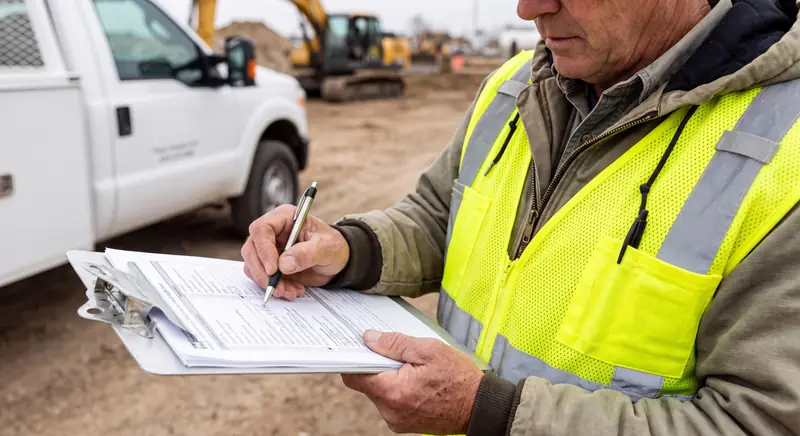
None of these sounds serious on its own. The trouble is that construction is sequential. Each trade depends on the one before it, and subcontractors schedule their crews across several projects at once. When your project isn't ready for them on the day they planned, they don't simply wait. They go to another job, and you get them back when their schedule allows. A two-day holdup can become a two-week gap, and that gap pushes every activity behind it.
These are cascading effects, and they ultimately impact your ability to open your doors on time.
An owner's rep manages the construction process so that these small issues stay small. They push for timely responses to RFIs and change orders, pressing the design team for answers and bringing you the decisions only you can make, with the information you need to make them quickly. They see that submittals are promptly reviewed so long-lead materials are ordered when they should be. And because they are on site regularly, mistakes are far more likely to be caught during construction, before they become problems.
No one can promise a project free of surprises. What an owner's rep can do is keep the process moving, which gives your project its best chance of finishing on schedule.
5. How an Owner's Rep Helps Prevent Cost Overruns
Time and money are two sides of the same problem on a construction project. Almost anything that costs you days will eventually cost you dollars, and the mishaps that cause both tend to be ordinary ones.
Consider three that happen on job sites all the time.
A subcontractor installs a pipe in the wrong location. The pipe now sits where the electrical work was supposed to go, so the electrician can't start. The schedule is set back while the pipe is relocated, and someone has to pay for the work that was done twice.
A drywall contractor puts up walls before the mechanical work is complete. Now finished walls have to be opened up so ductwork and piping can go in, and then patched, taped, and finished all over again. Labor and material are spent twice to arrive at the point the project should have reached the first time.
Material deliveries are delayed. Crews show up ready to work and have nothing to install, so they stand around waiting. The clock keeps running on labor, equipment, and site overhead while nothing gets built.
These and many other mishaps on the job site cause delays and unnecessary spending that lead to cost overruns. Each one also tends to start an argument about who is responsible, and when responsibility is unclear, a share of the cost has a way of finding its way to the owner. Even when it doesn't, you still pay in other ways. A longer project means more months of construction loan interest, more rent on the space you were supposed to have left, and more time before your new building starts doing what you built it to do.
Notice what these examples have in common. None is caused by bad design or bad luck. Each is a failure of coordination and oversight: the right work, in the right place, in the right order, with the right materials on hand. That is precisely what an owner's rep is there to watch.
An owner's rep oversees the construction process closely to help see that work is done in a timely and workmanlike manner. They follow up to see that materials are delivered on time, and raise the alarm early when a delivery is at risk. They track how trades are sequenced so one contractor's work doesn't undo another's. And when issues do come up, as they will on any project, they push to have those issues addressed quickly and effectively, before a small correction turns into a large expense.
The result is a budget with a much better chance of holding. An owner's rep is an added line in your project costs, but their job is to help prevent the far larger unnecessary costs that come from mistakes nobody caught in time.
Frequently Asked Questions
What does an owner's rep do?
An owner's rep manages a construction project on the owner's behalf. They track the schedule and budget, review contractor payment applications against observed site progress, keep RFIs, submittals, and change orders moving, observe work before it is covered up, and report to the owner in plain language. Because the owner is their only client, their recommendations are made in the owner's interest.
How much does an owner's rep cost?
Owner's rep cost depends on the project and the scope of services the owner needs, so LaRovere Consulting prices each engagement individually. For a fee based on your specific project, call LaRovere Consulting at (480) 626-2522 to schedule a project consultation. The fee is an added line in the project budget, meant to help avoid the larger costs of delays, rework, and mistakes caught too late.
What is the difference between an owner's rep and a construction manager?
In an owner's rep vs. construction manager comparison, the key question is who each one works for. Under many delivery methods, a construction manager is a contractor that holds trade contracts and builds the project. An owner's rep builds nothing and has no stake in the construction contracts. The owner's rep works only for the owner, overseeing the contractor, design team, schedule, and budget on the owner's behalf.
When should I hire an owner's rep?
The best time to hire an owner's rep is early, before design and construction contracts are signed. Early involvement lets the rep help evaluate bids, schedules, and budgets before problems have a chance to take root. An owner's rep can still add value once construction is underway, but the sooner someone is watching out for the owner's interests, the more of the investment they can help protect.
Doesn't my architect's contract already cover construction oversight?
Usually not fully. Under the standard AIA B101-2017 Owner–Architect Agreement, the architect visits the site “at intervals appropriate to the stage of construction” and is not required to make “exhaustive or continuous on-site inspections.” Individual contracts may modify this. Construction administration focuses on whether work generally conforms to the design. An owner's rep works alongside the architect, on site regularly, managing schedule, paperwork, and coordination for the owner.
Owner's Representative Services in Arizona and Nationwide: Protect Your Vision, Schedule, and Budget
Every one of these five reasons comes back to the same point. A construction project needs someone who represents the owner's interests, every day, with the experience to know what they are looking at.
You don't have an internal team to do it, and building one for a single project rarely makes sense. Your architect's role during construction is limited and was never meant to cover it. The expertise required changes too quickly to pick up on the side. And the two things you can least afford, delays and cost overruns, are most often the product of small problems that someone on site could have caught early.
An owner's rep gives you that someone. They walk the site, manage the paperwork, keep decisions moving, verify the work, and report back to you in plain language. You stay focused on running your organization, and you make the important decisions with good information in front of you.
If you have a project on the horizon, the best time to bring an owner's rep on board is early, before contracts are signed and before the first problems have a chance to take root. The sooner someone is watching out for your interests, the more of your investment they can protect.
Your building should open on time, on budget, and exactly as you envisioned it. The right owner's rep helps you get there.
LaRovere Consulting offers owner's representative services in Arizona and nationwide. Call LaRovere Consulting at (480) 626-2522 or contact us online to schedule a project consultation.